Beaches on Mallorca’s East Coast: Best Coves & Day Plans
 List
List
Quick Orientation: How the East Coast Fits Together
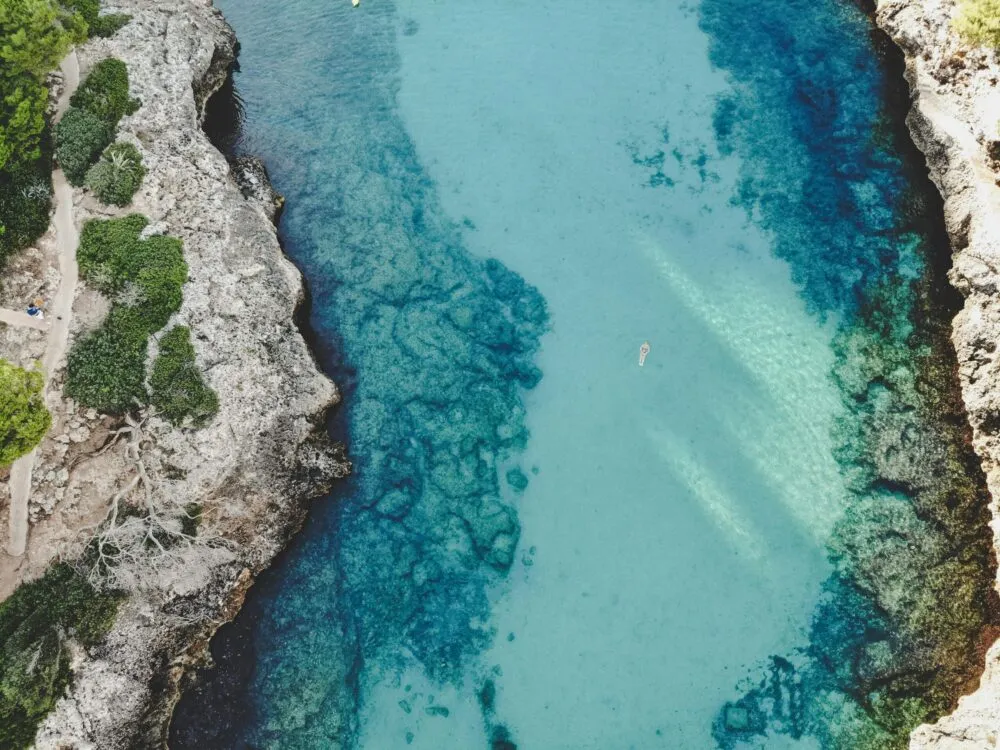
From Artà’s wild corners down to Cala d’Or’s string of sheltered calas, the east coast gives you a mix of open-swell beaches, piney coves, and family-friendly resort strands. Base yourself in Artà, Cala Ratjada, Porto Cristo, Mondragó or Cala d’Or and you’re never far from clear-water swims.
East Coast at a Glance
| Area/Base | Style | Good For | From Palma (drive) |
| Cala Mesquida / Cala Agulla | Open bays + dunes | Views, early swims | ~70–80 min |
| Artà wild calas | Untamed coves | Hikes + snorkel edges | ~70–85 min |
| Porto Cristo | Town + caves access | Families, calmer days | ~60–70 min |
| Cala Varques sector | Iconic rocky cove | Strong swimmers | ~60–70 min |
| Mondragó Natural Park | Twin coves, paths | Families + walkers | ~60–70 min |
| Cala d’Or cluster | Pocket coves | Easy access + cafes | ~60–70 min |
🏝️ Headliners & Why They’re Loved
Cala Agulla Beach
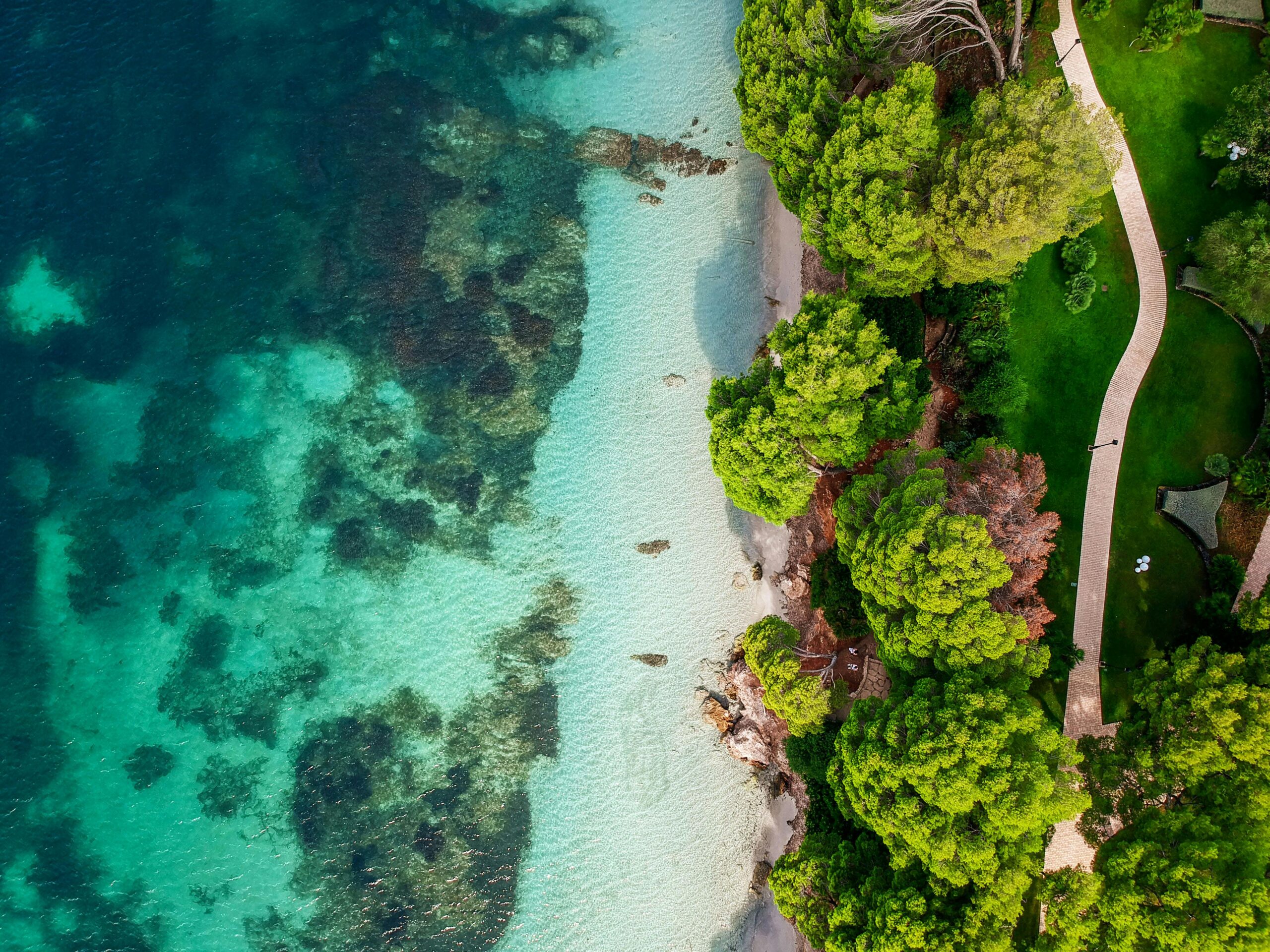
Wide sandy arc backed by pines with walking paths to viewpoints and Cala Mesquida day combos. Mornings are glassier; afternoons bring a light chop that’s fun but watch inflatables.
Cala Mesquida Beach
Dune-fringed, photogenic and a touch wilder than Agulla. Lifeguards in season; bring shade. Great lookout paths for sunset colours.
Cala Torta & Cala Mitjana (Artà)
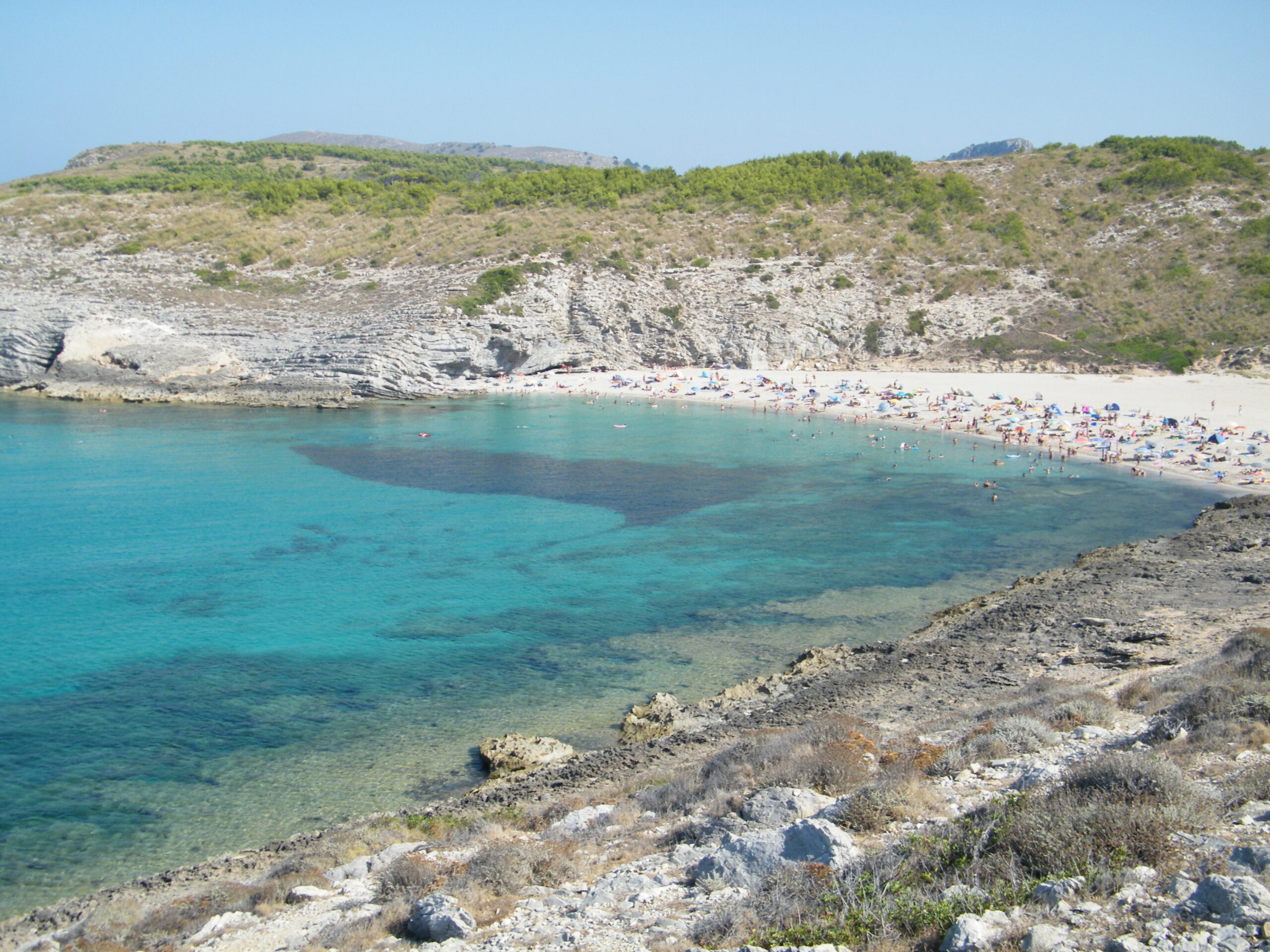
See Cala Torta & Cala Mitjana, Artà — rugged access, beautiful teal water, limited facilities. Pack extra water and a wind layer on breezy days.
Cala Varques Beach
A classic cove with rocky shelves for snorkelling on calm days. Bring sturdy shoes for the approach and plan an early arrival in peak months.
Cala Mondragó Beach
Twin bays Cala Mondragó and S’Amarador linked by an easy coastal path. Family-friendly with pine shade and viewpoints.
Cala d’Or Beaches Guide
Pocket coves like Cala Gran, Cala Esmeralda and Cala Ferrera. Short walks, quick swims, and café stops between dips.
Porto Cristo
Sheltered town strand with facilities and a good backup plan when open bays have swell. Combine with a slow promenade lunch.
🧺 Family-Friendly Picks
- Cala Agulla – Big sandy play space, seasonal lifeguards, easy paths.
- Cala Mondragó / S’Amarador – Shade options, short scenic link path.
- Porto Cristo – Central facilities, calmer in moderate wind.
- Cala d’Or – Short entries, café-to-cove convenience.
🤿 Best for Snorkelling
- Cala Torta & Cala Mitjana (Artà) – Rocky shoulders, clearer pockets on calm mornings.
- Cala Varques – Shelves and arches; check swell/wind first.
- Cala Mondragó – Edges of both bays; go early for visibility.
(For dedicated snorkel planning, see Snorkelling in Mallorca and Snorkelling Southeast Mallorca.)
🚗 Getting There from Palma
- Ma-15 east toward Manacor for Porto Cristo / Cala Varques sector.
- Ma-19 south for Mondragó / Cala d’Or.
- Ma-15 → Ma-12 for Artà / Cala Torta / Cala Mesquida / Cala Agulla.
Parking tips: arrive before 10:00 in July–August; some coves use overflow lots with short walks.
🗺️ Interactive Map Pins
🧭 Sample Day Plans
Artà Wild Coves
- Morning: Park for Cala Torta & Cala Mitjana (Artà); early swims.
- Lunch: Picnic in pine shade.
- Afternoon: Short hike viewpoint; exit before late-afternoon breeze.
Mondragó & Cala d’Or
- Morning: Cala Mondragó loop to S’Amarador.
- Lunch: Picnic or chiringuito behind the sand.
- Afternoon: Pop to Cala d’Or Beaches for a second swim and gelato.
North-East Duo
- Morning: Cala Agulla walk to viewpoints.
- Afternoon: Cala Mesquida for dunes, sunset photos.
🍴 Where to Eat & Stay
Good Bases: Artà, Cala Ratjada, Porto Cristo, Santanyí, Cala d’Or.
Ideas near beaches: beach chiringuitos for paella/grilled fish; town tapas in Artà or Santanyí after swims; promenade spots in Porto Cristo for an easy family dinner.
🧳 What to Bring
- Compact shade or beach tent
- Reef-safe sunscreen; long-sleeve rash guard for peak sun
- Water shoes for rocky entries (Torta, Varques)
- Extra water + snacks (limited kiosks at the wild calas)
🦺 Safety & Sea Conditions
- Check lifeguard flags on big beaches; red means no swimming.
- Inflatables drift fast in onshore breeze—keep them tethered.
- Rocky coves + swell = tricky exits. If in doubt, don’t go out.
- Jellyfish show up on some summer days—scan shoreline before entering.
📅 When to Go
| Month | What to Expect | Our Take |
| May–June | Warming sea, greener headlands | Lovely shoulder season |
| Jul–Aug | Warmest water, busier strands | Arrive early; bring shade |
| Sep–Oct | Clear water, softer crowds | Sweet spot for coves |
| Nov–Apr | Quiet bays, cooler dips | Coastal walks + quick swims |
❓ FAQ
Are the east coast beaches good for small children?
Yes—aim for Cala Agulla, Porto Cristo, Cala Mondragó and the Cala d’Or coves for easier entries and facilities.
Where’s best for snorkelling?
The rocky edges of Cala Torta & Cala Mitjana (Artà), Cala Varques, and the sides of Cala Mondragó on calm mornings.
Which spots feel wilder and less developed?
Cala Torta & Cala Mitjana (Artà) and Cala Varques—pack water and leave no trace.
Can I combine beaches in one day?
Yes—pair Agulla ↔ Mesquida, Mondragó ↔ S’Amarador, or do a Cala d’Or mini-hop.
🔒 Related Guides