Cala Petita Beach Guide: A Wild Cove North of Porto Cristo
 Guide
Guide
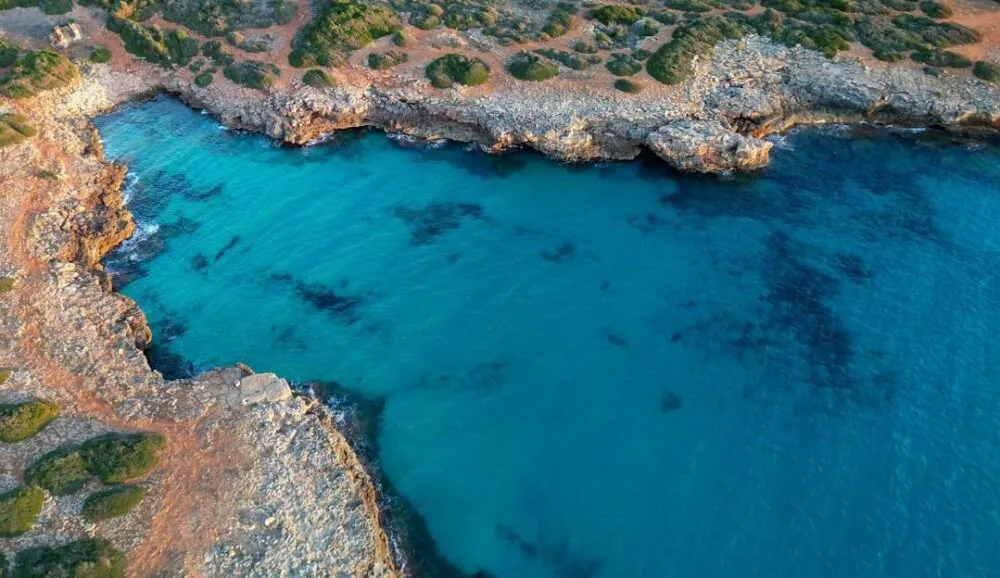
Cala Petita is one of those small, secret feeling coves that reminds you what the Mallorcan coast looked like before the resorts arrived. Tucked into the cliffs just north of Porto Cristo on the island’s east coast, it has no road, no bar and no sunbeds. You reach it on foot, and the short walk is part of the appeal. What waits at the end is a quiet pocket of golden sand and pebbles, framed by pines and low rock, with clear turquoise water that is ideal for a slow swim or a snorkel.
It is tiny, which is exactly why locals love it and why you should plan a little. Here is everything you need to enjoy Cala Petita the right way.
| Cala Petita | Detail |
| Where | Just north of Porto Cristo, east coast Mallorca (Manacor) |
| From Palma | About an hour by car (around 65 km) |
| Beach | Small cove of golden sand and pebbles, backed by pines and low cliffs |
| Access | On foot only, a short coastal walk from Porto Cristo |
| Facilities | None, this is a wild cove |
| Good for | Snorkelling, quiet swims, nature lovers |
📌 Quick answer: is Cala Petita right for you?
- Go if you want an unspoiled cove, clear water for snorkelling and do not mind a short walk.
- Think twice if you need sunbeds, a beach bar, toilets or easy buggy and wheelchair access, none of which exist here.
- Best for couples, snorkellers, photographers and anyone chasing a slice of the old, quiet Mallorca.
🏖️ What to expect at Cala Petita
Cala Petita lives up to its name, which simply means small cove. It is a short strip of soft golden sand mixed with smooth pebbles, hemmed in by pine covered slopes and weathered rock. Because it faces into a sheltered inlet, the water is usually calm and beautifully clear, shading from pale jade near the sand to deeper blue where the rocks drop away.
The rocky edges and sea grass make it a lovely spot for snorkelling, and the lack of development means there is very little to spoil the view. There are no buildings, no music and no crowds of loungers, just the sea, the pines and whoever else made the effort to walk in. On a calm summer morning it feels close to perfect.
🚗 Getting there and parking
There is no road down to Cala Petita, which is the main reason it has stayed so unspoiled. The easiest approach is from the northern edge of Porto Cristo. Park in the town or near the marina, then follow the coastal path north for roughly 10 to 15 minutes. The trail is rough in places with some uneven rock and a short scramble near the cove, so wear proper shoes rather than flip flops.
Parking in Porto Cristo can be busy in high season, so arriving earlier in the day makes the whole trip easier. The walk is not long, but there is no shade on the final stretch and nothing to buy once you arrive, so come prepared.
☀️ Best time to visit
Late spring and early autumn are the sweet spot. In May, June, September and early October the sea is warm enough for comfortable swimming, the light is gorgeous and the cove is far quieter than at the height of summer. July and August bring the warmest water but also the most people, and because Cala Petita is so small it can fill up fast. If you visit in peak season, aim to arrive before mid morning.
For a wider view of seasons, crowds and water temperatures across the island, see our guide to the best time to visit Mallorca.
🎒 What to bring (there are no facilities)
Cala Petita has no bar, no toilets, no sunbeds and no lifeguard, so a little planning goes a long way. Pack for self sufficiency and take everything home with you to keep the cove pristine.
- Plenty of water and some snacks, as there is nowhere to buy anything.
- A parasol or beach umbrella, since natural shade is limited.
- Snorkel and mask to make the most of the clear, rocky water.
- Water shoes for the pebbles and the rocky path.
- A bag for your rubbish, and respect for the protected natural surroundings.
🗺️ Nearby beaches and things to do
Cala Petita sits on one of the prettiest stretches of the east coast, so it pairs well with a wider day out. Porto Cristo itself has a harbour, restaurants and the famous Caves of Drach with their underground lake. Just south you will find the family resorts and golden bays around Cala Anguila, Cala Mendia and Cala Romàntica, while a little further down the coast lies the fishing town of Portocolom and its sandy Cala Marçal.
If you want to keep exploring this side of the island, our east coast beaches guide rounds up the best coves and resort beaches from Cala Ratjada down to the southeast.
❓ Frequently asked questions
Where is Cala Petita?
Cala Petita is a small, undeveloped cove just north of Porto Cristo on the east coast of Mallorca, in the Manacor area. It can only be reached on foot.
Can you drive to Cala Petita?
No. There is no road down to the cove. The usual approach is to park in Porto Cristo and walk north along the coastal path for about 10 to 15 minutes.
Are there any facilities at Cala Petita?
No. There is no beach bar, no toilets, no sunbeds and no lifeguard. Bring your own water, snacks and shade, and take all your rubbish home.
Is Cala Petita good for snorkelling?
Yes. The water is usually calm and clear, and the rocky edges attract fish, so it is a rewarding spot for snorkelling. Bring your own mask and snorkel.
When is the best time to visit Cala Petita?
Late spring and early autumn offer warm water with fewer people. In July and August the small cove fills quickly, so arrive before mid morning.