Move to Mallorca: The Ultimate Step-by-Step Guide
 News
News
Thinking about moving to Mallorca? Whether you’re dreaming of a sun-soaked Mediterranean lifestyle, looking for a second home, or planning to retire in paradise, this guide will walk you through everything you need to know. From visas and residency to finding a home and settling in, we cover it all.
✅ Step 1: Check Visa & Residency Requirements 🛂
If you’re an EU citizen, moving to Mallorca is relatively straightforward, no visa required! However, non-EU citizens, including UK nationals post-Brexit, will need to navigate Spanish immigration laws.
🔹 Short Stay (Less than 90 Days)
- Visa-free for many countries (EU, UK, USA, Canada, Australia, etc.).
- You can stay as a tourist for up to 90 days within a 180-day period.
🔹 Long-Term Stay (More than 90 Days)
If you’re planning to live in Mallorca year-round, you’ll need one of the following:
- Non-Lucrative Visa 🏝️: Ideal for retirees or remote workers with sufficient savings/income.
- Golden Visa 💰: For those investing €500,000+ in property.
- Work Visa 💼: If you’re employed by a Spanish company or self-employed.
- Student Visa 🎓: For those studying in Mallorca.
Once approved, you’ll need to register as a resident and obtain your TIE (Tarjeta de Identidad de Extranjero).
🔗 Schengen Visa Requirements (Short Stay – Less than 90 Days) 🔗 Non-Lucrative Visa (For Retirees & Remote Workers) 🔗 TIE (Foreign Residency Card) – Step-by-Step Guide
🏠 Step 2: Find a Place to Live in Mallorca 🏡
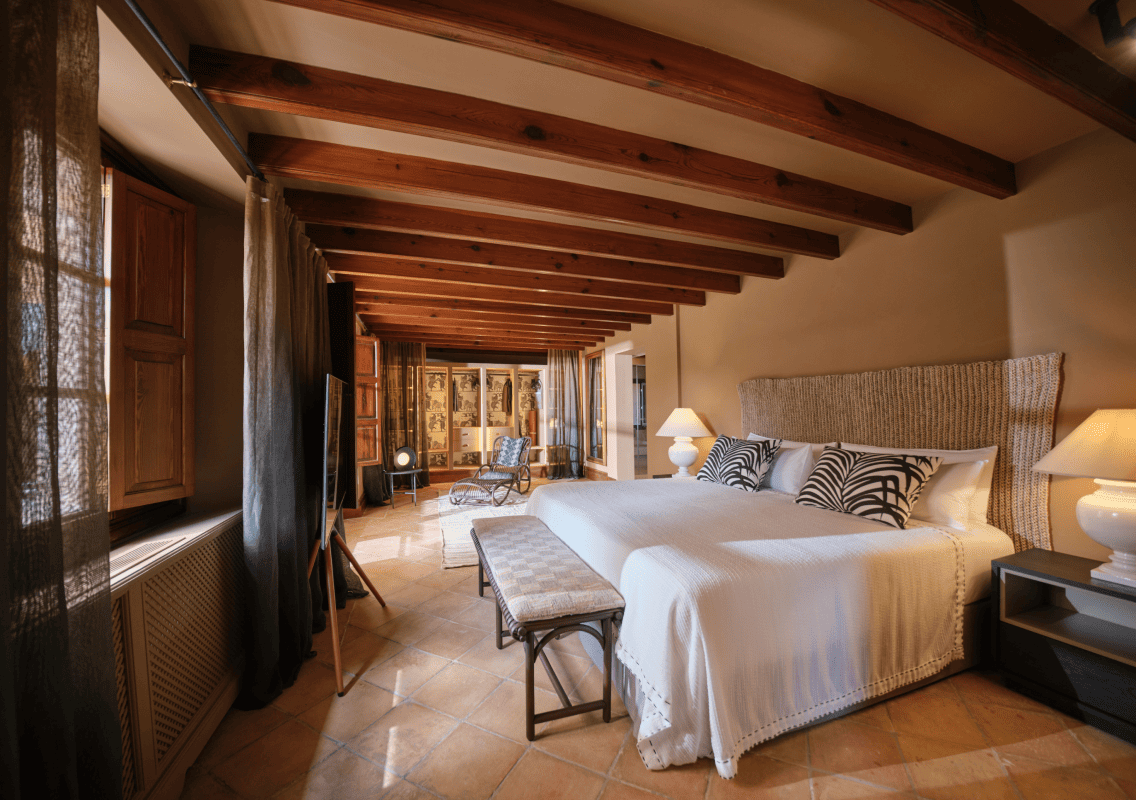
Before you move, research the best areas to live based on your lifestyle and budget:
🌆 Palma de Mallorca: Best for city lovers, vibrant culture, restaurants, and nightlife.
🏖️ Southwest Mallorca (Santa Ponsa, Portals Nous): Ideal for expats & families, near international schools.
🌿 Sóller & Deià: Stunning mountain villages, perfect for nature lovers.
🏘️ Alcudia & Pollensa: Popular among families and retirees, beautiful beaches.
🏡 Renting vs. Buying
- Renting is a good option if you’re testing out different areas.
- Buying can be a great investment, especially with Mallorca’s strong real estate market.
💡 Tip: Many landlords prefer long-term tenants over short-term holiday renters, so be ready with your documentation!
🔗 Find Homes for Sale in Mallorca: Idealista 🔗 Search Long-Term Rentals in Mallorca: Idealista 🔗 Mallorca Property Listings: Kyero
💰 Step 3: Understanding the Cost of Living in Mallorca
Mallorca’s cost of living varies based on lifestyle, location, and family size. While it can be more affordable than other European hotspots, it’s essential to plan your budget wisely.
🏠 Housing Costs: Renting vs. Buying
- Palma & Southwest Mallorca (Portals Nous, Santa Ponsa): Higher rents due to demand from expats and proximity to international schools.
- Inland & North Mallorca (Alaró, Binissalem, Pollensa): More affordable with spacious homes and a quieter lifestyle.
- Coastal & Tourist Areas (Port d’Andratx, Deià, Sóller): Luxury prices, especially for villas with sea views.
| Expense | Estimated Cost (€) |
|---|---|
| Rent (1-bed in Palma) | €1,000-€1,800/month |
| Rent (Outside Palma) | €700-€1,200/month |
| Buying Price (per sqm in Palma) | €3,500-€6,000 |
| Buying Price (per sqm in rural areas) | €2,000-€3,500 |
🔗 Find Property for Sale & Rent: Idealista
🔗 Explore Rental Options: Kyero
🍽️ Day-to-Day Living Expenses
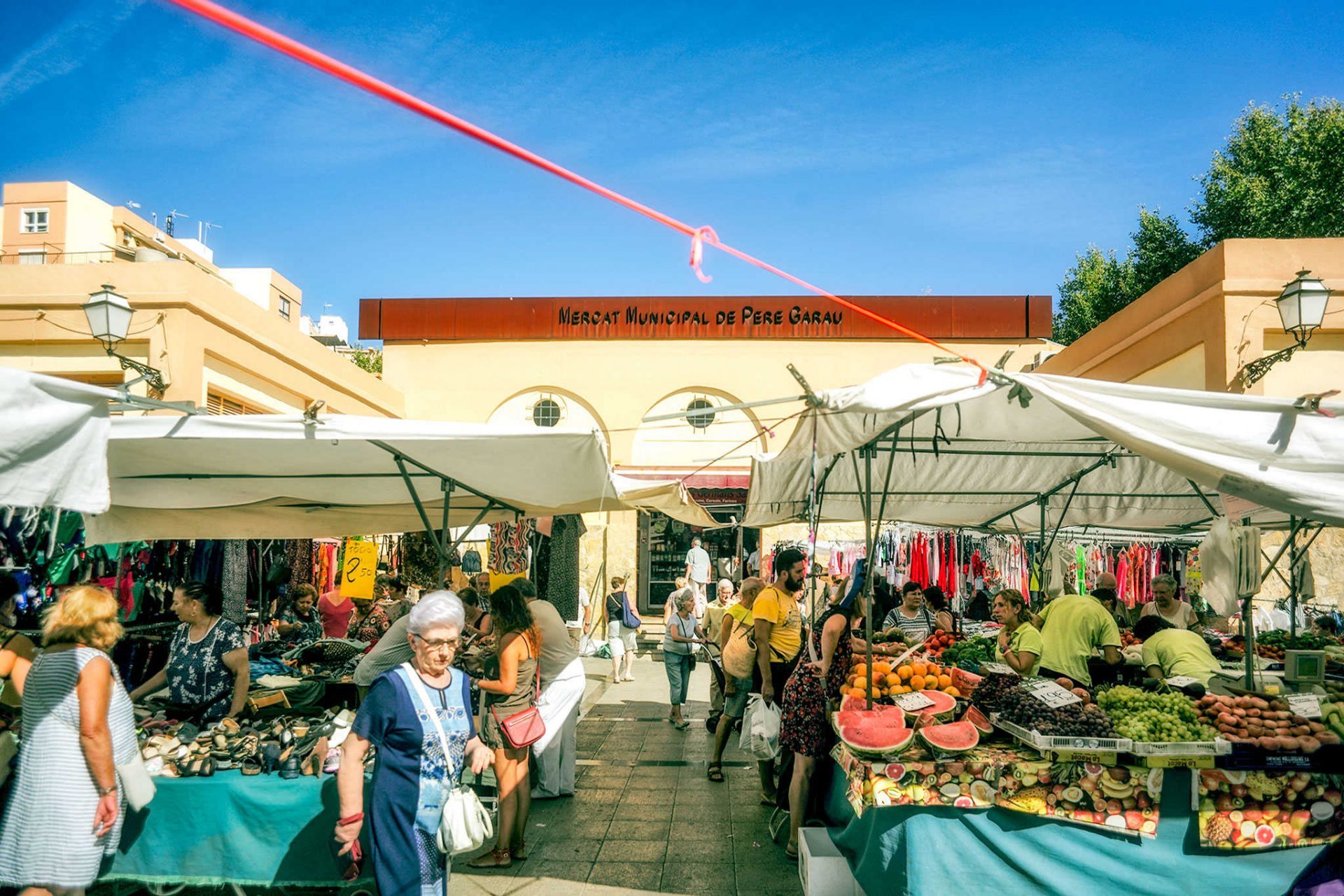
Basic groceries and dining can range from budget-friendly to high-end, depending on your preferences.
| Expense | Estimated Cost (€) |
|---|---|
| Groceries (per person) | €200-€400/month |
| Dining Out (mid-range) | €15-€30 per meal |
| Coffee at a café | €1.50-€3 |
| Gym Membership | €40-€70/month |
💡 Tip: Local markets offer fresh produce at lower prices than supermarkets. Dining at “menu del día” lunch spots can save money!
🚗 Transport & Utilities
While Palma has excellent public transport, many expats prefer to drive, especially if living outside the city.
| Expense | Estimated Cost (€) |
|---|---|
| Public Transport Pass | €40-€50/month |
| Taxi Fare (5km ride) | €10-€15 |
| Car Rental (per month) | €500+ (short-term) |
| Utilities (electricity, water, internet) | €100-€200/month |
| Petrol (per liter) | €1.60-€2 |
🔗 Public Transport in Mallorca: EMT Palma
🔗 Car Rentals in Mallorca: Rentalcars
🏡 Cost of Living for Different Lifestyles
👨👩👧 Families Moving to Mallorca
- Expect higher rents near international schools (Santa Ponsa, Portals Nous, Palma Nova).
- Schooling: Private schools cost €6,000-€15,000 per year per child.
- Childcare: Nurseries range from €300-€800 per month.
🔗 Best International Schools in Mallorca
👴 Retirees in Mallorca
- Rural and coastal towns like Sóller, Alcudia, and Santanyí offer a relaxed, lower-cost lifestyle.
- Healthcare: Private insurance starts at €50-€150 per month per person.
🔗 Spanish Healthcare System: Expaticans.
📄 Step 4: Get Your Paperwork in Order
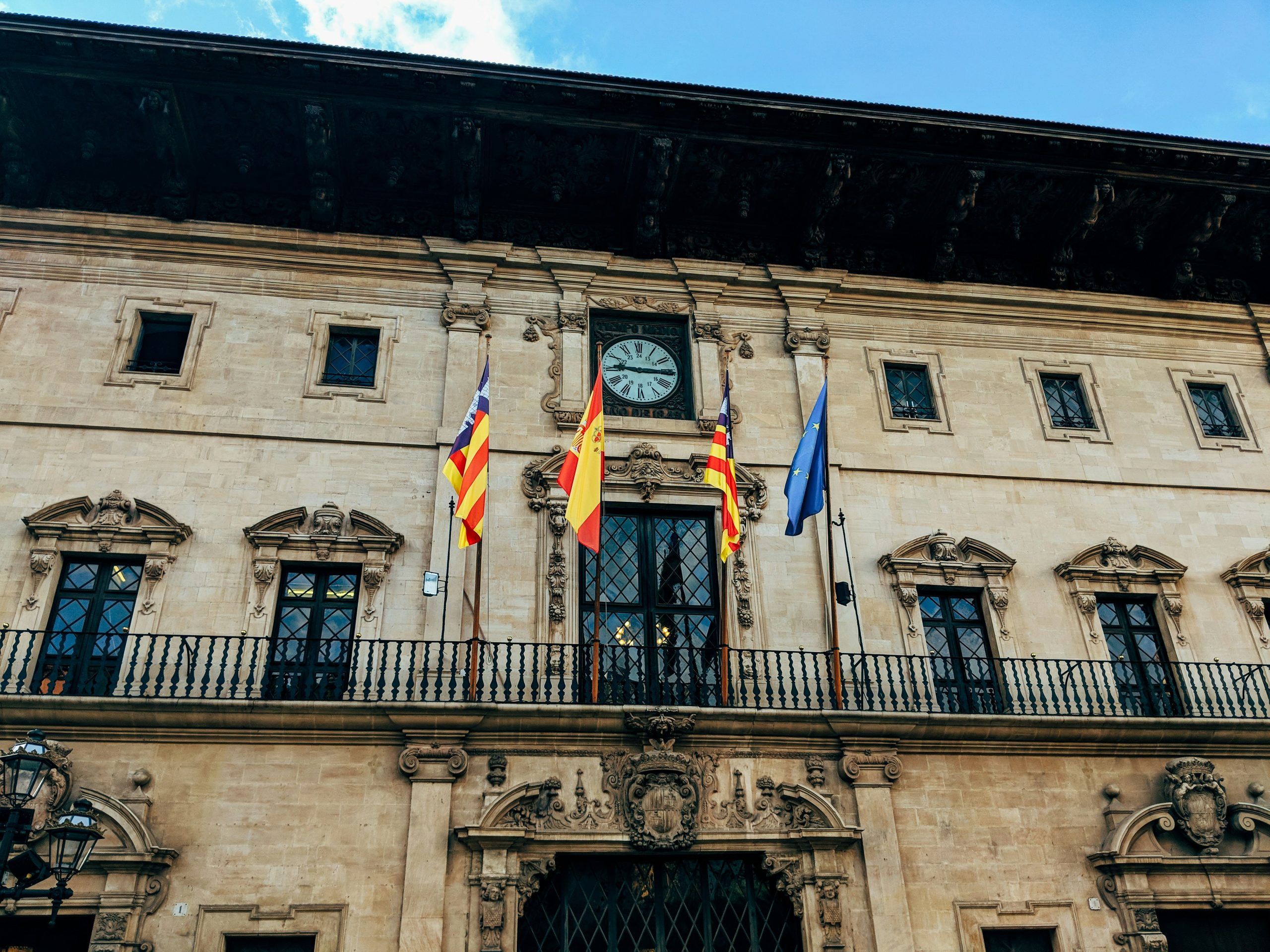
Once you arrive in Mallorca, you’ll need to register with local authorities.
📌 Essential Documents & Registrations:
✔ NIE Number: Your foreigner identification number (needed for banking, buying property, and more).
✔ Empadronamiento (Padrón): Local registration at your town hall (needed for residency and healthcare).
✔ Social Security Number: If you plan to work in Spain.
✔ TIE Card: For non-EU residents staying long-term.
💡 Tip: Some paperwork requires appointments at Spanish government offices, which can take time, book early!
🔗 Apply for an NIE Number: Spanish Government 🔗 Empadronamiento Registration: Local Town Halls (Check your local municipality office) 🔗 Spanish Social Security Number: Seguridad Social 🔗 TIE Card Application: Spanish Immigration Office
💡 Tip: If you’re unfamiliar with Spanish bureaucracy, consider using a gestor (local legal advisor) to speed up the process! 🚀
🚗 Step 5: Transport & Getting Around Mallorca
Getting around Mallorca is easy, whether you prefer to drive, take public transport, or cycle along scenic routes. Here’s what you need to know:
🚗 Driving in Mallorca
✔ EU driver’s licenses are valid, but non-EU residents (including post-Brexit UK citizens) may need to exchange their license for a Spanish one after six months.
✔ Car rentals are popular for short-term stays, but if you live in a rural area, owning a car is often a necessity.
✔ Parking in Palma can be a challenge, with blue-zone areas requiring paid parking. Private parking spots or underground garages are often the best options.
✔ Road trips across Mallorca are a great way to explore hidden beaches, mountain villages, and scenic coastal routes.
🔗 Renting a Car in Palma de Mallorca
🔗 Luxury Car Rentals in Palma de Mallorca
🔗 Road Trips in Mallorca: The Ultimate Guide
🚌 Public Transport in Mallorca
Mallorca has a well-organized public transport system, which makes it easy to live here without a car:
✔ Buses & Trains: TIB (Transports de les Illes Balears) operates intercity buses and trains connecting Palma to the rest of the island.
✔ Palma Metro: A small metro system connects the city center with the university and outskirts.
✔ Airport Transfers: The EMT bus line runs direct services between Palma Airport and various parts of the island.
💡 Tip: Public transport is great for city living, but rural areas have fewer connections. Check schedules in advance!
🔗 Palma de Mallorca Airport: The Ultimate Guide
🔗 Hotels Near Palma de Mallorca Airport
🚲 Cycling & Walking
✔ Palma & coastal towns are bike-friendly, with dedicated cycling paths and rental stations.
✔ Rural cycling routes are a dream for outdoor lovers, Mallorca is a hotspot for professional cyclists.
✔ Many towns are pedestrian-friendly, making walking a great way to explore.
🔗 Bike Rental in Palma de Mallorca
🔗 Best Cycling Routes & Tips for Mallorca
🔗 Best Hiking Trails in Mallorca
💡 Tip: If you’re planning to cycle often, investing in a bike or e-bike can be a great long-term choice! 🚲
🏥 Step 6: Healthcare in Mallorca
📌 Spain has a top-rated healthcare system, but access depends on your residency status and insurance:
✔ Public Healthcare: Free for EU citizens and residents paying into Spain’s social security system.
✔ Private Healthcare: Many expats opt for private insurance, with plans ranging from €50-€150/month, offering faster access and English-speaking doctors.
✔ European Health Insurance Card (EHIC): EU citizens can use their EHIC for short-term coverage, but long-term residents should register with Spain’s healthcare system.
Hospitals & Clinics in Mallorca
✔ Son Espases Hospital (Palma): The island’s top public hospital, best for emergencies & specialized treatments.
✔ Juaneda & Quirónsalud: Leading private hospitals with English-speaking staff, offering top-tier care for expats and tourists.
✔ Local Medical Centers (Centro de Salud): Located in every town for routine medical care and prescriptions.
🔗 Healthcare in Mallorca: A Complete Guide for Residents & Visitors
💡 Tip: If you’re moving to Mallorca long-term, securing private healthcare ensures access to quicker appointments and more comprehensive care. 🏥✨
🎓 Step 7: Schools & Education in Mallorca
If you’re moving to Mallorca with kids, choosing the right school is essential. The island offers a mix of public, private, and international schools, catering to different curricula and languages.
International Schools in Mallorca
✔ Baleares International College: Follows the British curriculum, with campuses in Palma and Sa Porrassa.
✔ Agora Portals International School: Offers the International Baccalaureate (IB) and Spanish curriculum.
✔ The Academy International School: A well-established British curriculum school with a strong expat community.
🔗 Schools in Mallorca: A Guide for Expats & Families
💡 Tip: Many international schools have waiting lists, so apply early if you’re planning a move! 📚✏️
📢 Step 8: Join the Expat Community in Mallorca
Moving to Mallorca is easier when you connect with fellow expats and locals. Whether you’re looking for new friends, business contacts, or local tips, there are plenty of ways to get involved.
Where to Meet People in Mallorca
✔ Expat Facebook Groups & Forums: Join online communities where expats share tips and advice.
✔ Networking Events & Coworking Spaces: Great for freelancers, entrepreneurs, and remote workers.
✔ Local Cafés & Language Exchange Meetups: A fun way to practice Spanish and meet people from different backgrounds.
🔗 Living in Mallorca: A Complete Guide for Long-Term Stays
💡 Tip: Learning basic Spanish will help you integrate and connect with locals more easily! 🇪🇸✨
🌴 Final Thoughts: Is Moving to Mallorca Worth It?
✔ Mallorca offers an unbeatable Mediterranean lifestyle, great weather, beaches, and culture.
✔ Paperwork & visas can be complex, so plan ahead!
✔ Choose the right area based on your needs, city life, countryside, or beachside living.
✔ Integrate into the local community for a smoother transition.
🌴 Final Thoughts: Is Moving to Mallorca Worth It?
Moving to Mallorca isn’t just about relocating to an island-it’s about embracing a lifestyle. With its stunning beaches, vibrant culture, and laid-back Mediterranean atmosphere, it’s no surprise that so many expats, retirees, and digital nomads are making the move.
Here’s what makes Mallorca a great place to live:
✅ Year-Round Sunshine: Enjoy a mild Mediterranean climate with 300+ sunny days a year.
✅ Diverse Living Options: From Palma’s city life to charming mountain villages and quiet coastal retreats.
✅ Strong Expat Community: Easy to meet people, network, and integrate into local life.
✅ Great Infrastructure: Reliable transport, world-class healthcare, and international schools.
✅ A Balanced Lifestyle: Whether you want outdoor adventures, a booming business scene, or a relaxed retirement, Mallorca has it all.
🚀 Ready to Make the Move?
With the right preparation-handling paperwork, choosing the best area, and budgeting properly-your move to Mallorca can be seamless. Whether you’re coming for work, retirement, or a fresh start, this island is a place where you can truly live well, work less, and enjoy more. 🌅☀️
🔗 Explore More: Living in Mallorca: A Complete Guide for Long-Term Stays